EarthCODE Hackathon 2026
Join the first EarthCODE Hackathon at ESA-ESRIN!
EarthCODE Hackathon 2026
Published: 28/04/2026, Updated: 10/09/2026
The EarthCODE Hackathon will be hosted at ESRIN from 30 November – 4 December 2026. The event will provide an opportunity to bring the communities who are using EarthCODE tools and services as close as possible to the people who are building them.
Registration to this event is NOW OPEN!
Find out more and register here.
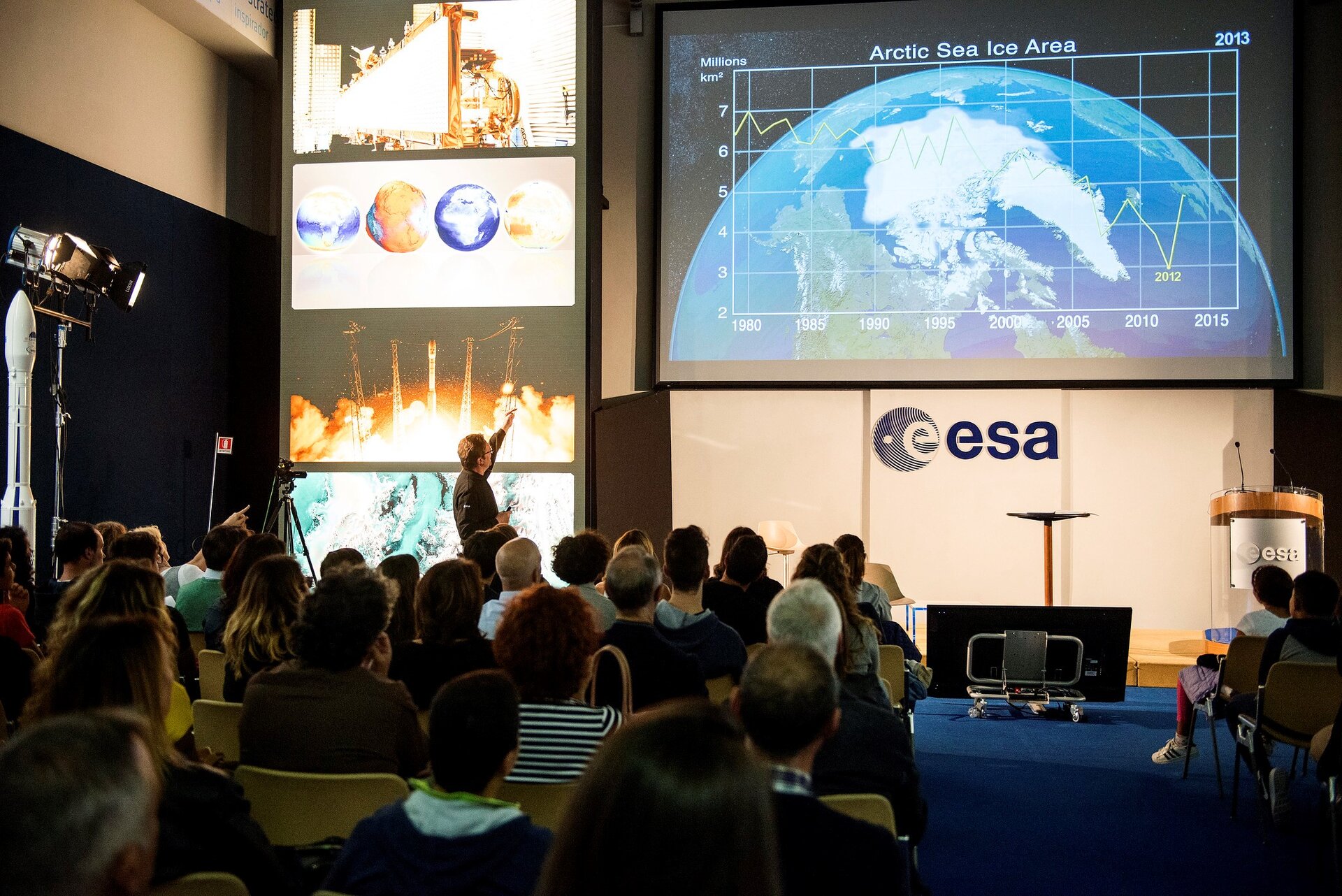
SCOPE:
The EarthCODE Hackathon will bring together Ocean, Carbon and Polar scientists, experts in FAIR data and workflow engineering and open source developers to focus on the creation and enhancement of thematic, analysis ready data collections, built from scientific project outputs. These collections will integrate multiple geophysical variables, delivered in cloud optimised, interoperable formats, and made openly accessible through the EarthCODE Open Science Catalogue.
By working with real Science Cluster use cases, the event showcases how EarthCODE enables scientists to move from fragmented project datasets to high quality, reusable data collections that can address emerging scientific questions and support new research and applications.
OBJECTIVES:
The overall objective of the EarthCODE Hackathon is to demonstrate and strengthen EarthCODE’s role as a federated environment for publishing, discovering, and using Earth system data. Specifically, the hackathon aims to:
- Demonstrate how EarthCODE services support the publication and reuse of scientific data from ESA Science Clusters
- Build and showcase thematic analysis ready data collections for different scientific domains
- Enable Science Cluster teams to create and manage their own data collections using EarthCODE tools and libraries
- Promote open access and visibility of high impact scientific datasets via dashboards and interactive viewers
- Foster collaboration between scientists and the open source developer community
- Contribute to the evolution of EarthCODE services and tools
PARTICIPANTS:
The hackathon primarily targets:
- Earth system scientists working with EO data who want to create, reuse, or publish data collections.
- Members of ESA Science Clusters, particularly addressing: Ocean, Carbon and Polar science communities.
- Developers from the open source geospatial community interested in supporting EarthCODE functionalities: e.g. EOEPCA+, OSGeo
- We especially invite early career researchers, PhD students and post-docs!
SCIENTIFIC and TECHNICAL FOCUS:
The hackathon will adopt a data collections driven approach, initially focusing on the following thematic domains:
- Ocean (with a focus on the Mediterranean Sea)
- Terrestrial Carbon
- Polar
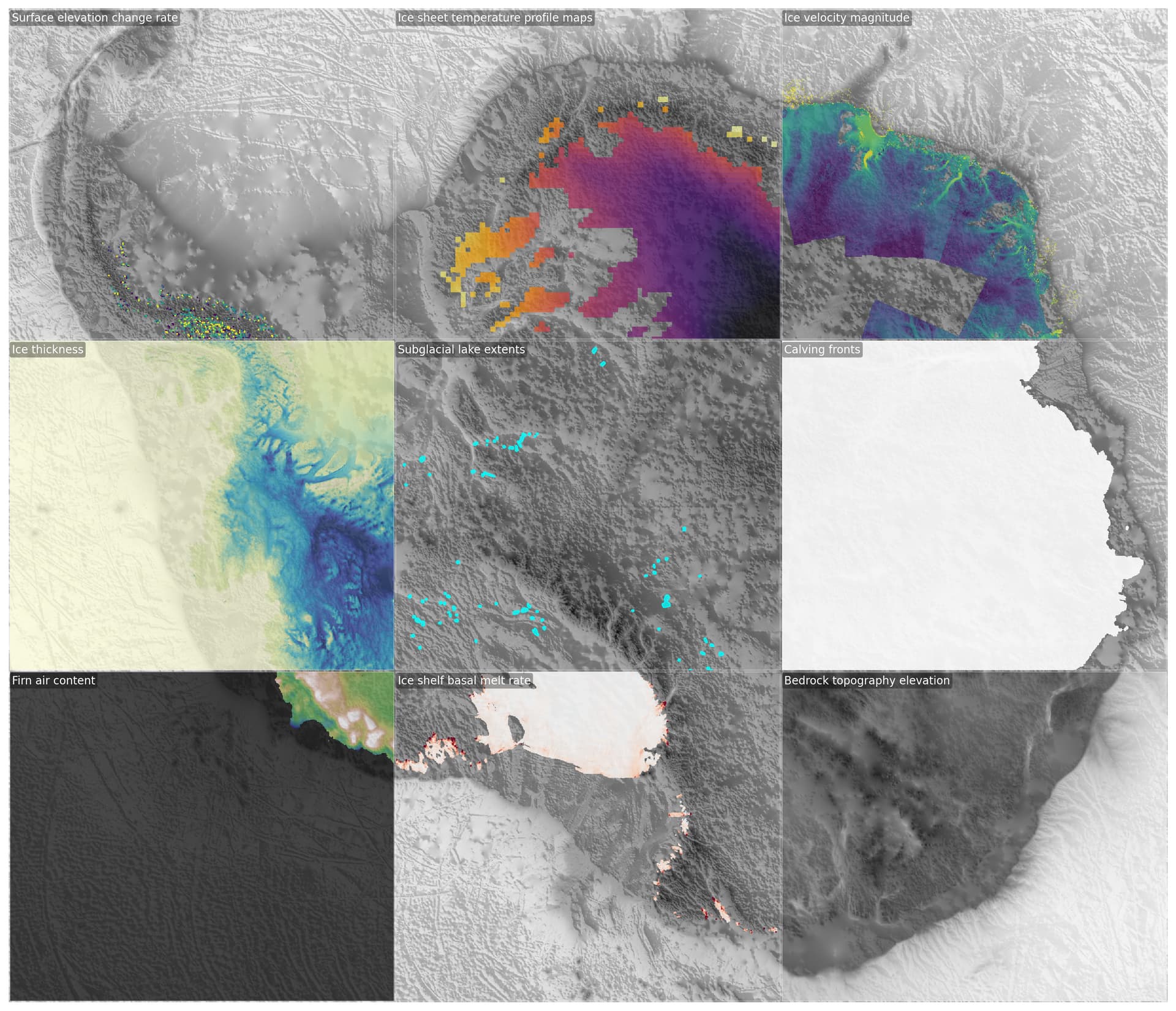
Apart from the scientific community, this event will welcome participants from the Open Source community. Through focused code sprints, developers will to evolve software components supporting the EarthCODE federation, aiming to:
- Propose improvements or extensions to existing EarthCODE tools
- Address identified gaps or limitations
- Strengthen interoperability and usability within the EarthCODE ecosystem
Participants will have access to:
- Existing analysis ready data cubes available as reference examples (e.g. hosted in OSC - the Open Science Catalogue https://opensciencedata.esa.int)
- Original, project level datasets used to derive these collections
- EarthCODE tools, libraries, and services enabling participants to reproduce, extend, or create new data collections themselves.
RESULTS:
With this event we aim to help communities build skills that they can take back to their labs and projects, ensuring a sustainable approach to FAIR and Open Science for Earth. We're working together to ensure the participating scientists will be able to:
1. Reuse Data and Workflows
- Discover EarthCODE thematic data collections and workflows
- Work with the data and workflows on EarthCODE platforms to solve scientific questions
2. Publish with FAIR principles
- Create new data collections or extend existing ones
- Use EarthCODE libraries and workflows to publish new results in cloud optimised, FAIR aligned formats
3. Disseminate through dashboards and web stories
- Explore the data collections with EarthCODE web viewers
- Communicate scientific findings with interactive storytelling